Build wealth through Niagara real estate. Affordable entry points, strong rental demand, and a growing region make Niagara an investor's market.
Investment properties in Niagara are priced 40-60% below GTA equivalents. Lower acquisition costs mean better cash flow from day one and less capital at risk.
Students at Brock University and Niagara College, tourism workers, and GTA commuters all drive consistent rental demand across the Region.
GO Train expansion, the new South Niagara Hospital, growing tech sector, and population influx from the GTA are all positive signals for long-term appreciation.
Gross rental yields of 4-7% are achievable across the Region, with student rentals and multi-unit properties at the higher end of that range.
From single-family rentals and student housing to multi-family conversions and short-term vacation rentals, Niagara offers investment strategies for every profile.
With 12 distinct municipalities, you can diversify across different market segments and price points within a single region.
Duplexes, triplexes, and small apartment buildings offer multiple income streams from a single property. Niagara has strong demand for purpose-built rentals, and conversion properties are available in cities like St. Catharines, Welland, and Niagara Falls at accessible price points.
Properties near Brock University (St. Catharines/Thorold) and Niagara College (Welland/NOTL) benefit from consistent demand. Student rentals typically rent by the room, generating higher gross revenue per property. Look for homes with multiple bedrooms, separate bathrooms, and proximity to campus.
Long-term single-family rentals in family-friendly neighbourhoods offer stable tenancy, lower turnover, and less management intensity. These properties also tend to appreciate well over time. Cities like Pelham, Grimsby, and Lincoln attract quality long-term tenants.
Niagara's tourism industry drives demand for vacation rentals, particularly in Niagara Falls and Niagara-on-the-Lake. Properties near attractions, wineries, and the Falls can generate premium nightly rates, especially during peak season. Review local bylaws carefully before investing.
The Niagara Region's rental market has tightened significantly in recent years, driven by population growth, limited new rental construction, and increasing demand from students, newcomers, and workers in the tourism and healthcare sectors. Vacancy rates across the Region's major cities are generally low, giving landlords strong pricing power.
Average rents vary by city and property type. A two-bedroom apartment typically rents for $1,600 to $2,200 per month in St. Catharines and Niagara Falls, while student rentals near Brock University can command $600 to $800 per room per month. These rental levels, combined with relatively low purchase prices, create favourable cash flow dynamics for investors.
Brock University in St. Catharines has approximately 19,000 students, many of whom need off-campus housing. Properties in the neighbourhoods surrounding Brock — including parts of Thorold and south St. Catharines — are in high demand from September through April. Many investors purchase larger homes (4-6 bedrooms) and rent them by the room to maximize revenue.
Niagara College, with campuses in Welland and Niagara-on-the-Lake, also generates strong rental demand. Properties near the Welland campus are particularly affordable to purchase, offering attractive entry points for new investors.
Multi-family properties — duplexes, triplexes, and fourplexes — are among the most popular investment strategies in Niagara. These properties provide multiple income streams, reduce vacancy risk, and can often be purchased at per-unit costs well below building new. Cities like St. Catharines, Welland, and Niagara Falls have a good inventory of existing multi-family properties, as well as homes suitable for legal conversion.
Ontario allows secondary suites (basement apartments, garden suites) in most residential zones, expanding options for creating additional rental units. Your RE/MAX agent can help you identify properties with conversion potential and connect you with builders familiar with local building codes and zoning requirements.
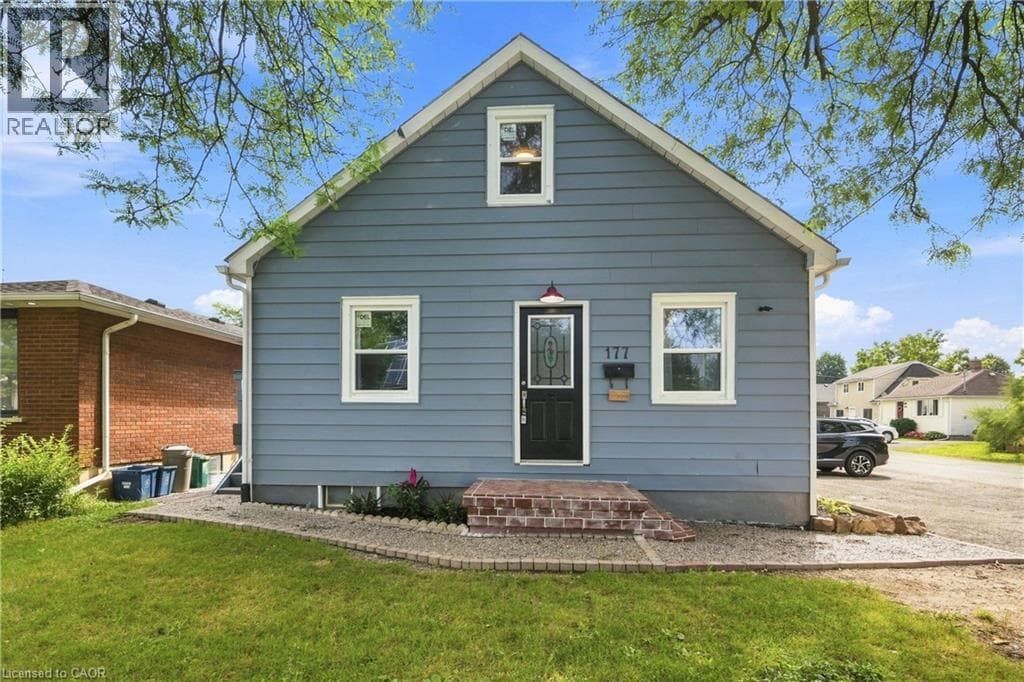 35
35177 PELHAM Road
St. Catharines
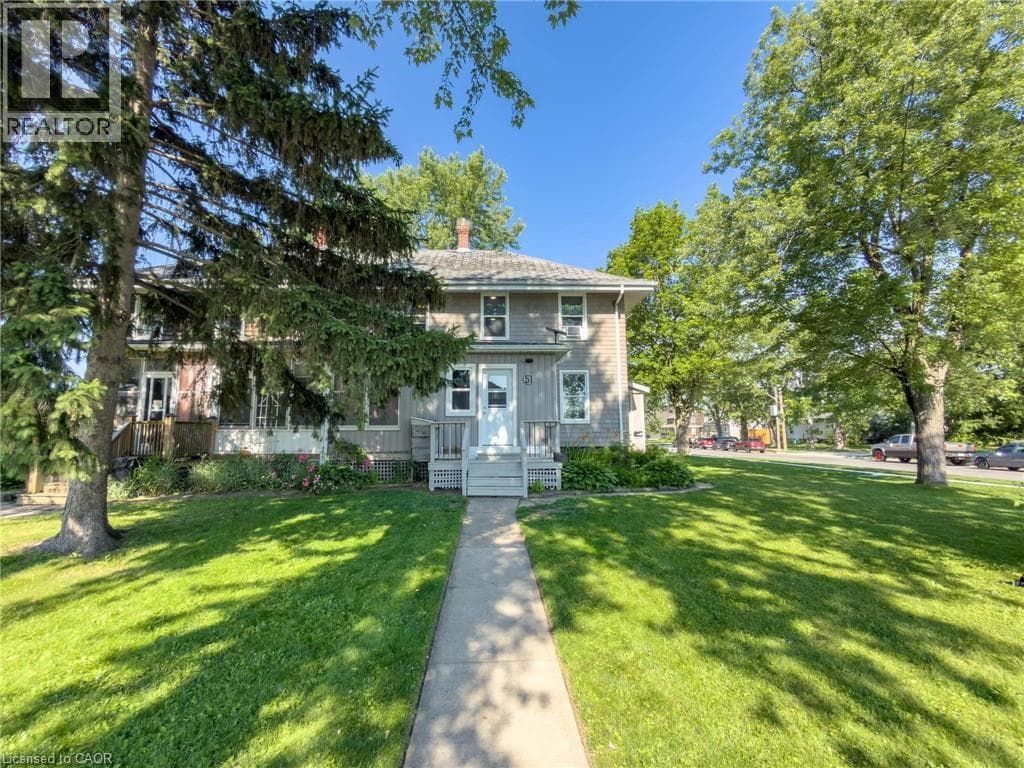 44
4451 PLYMOUTH Road
Welland
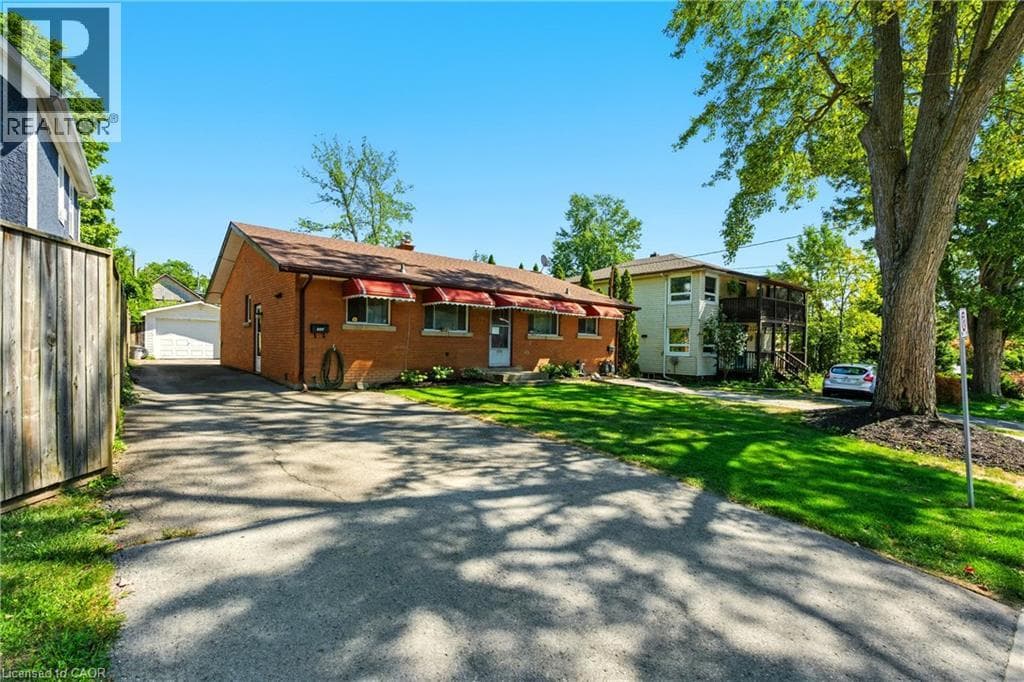
34 SHOTWELL Street
Welland
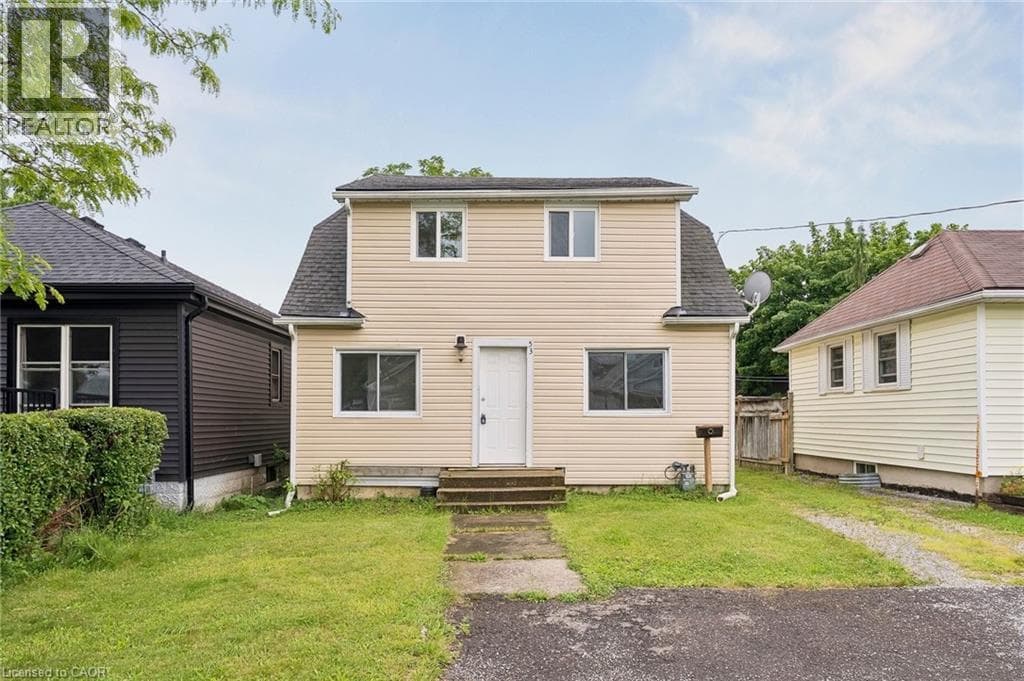 32
3253 KINSEY Street
St. Catharines
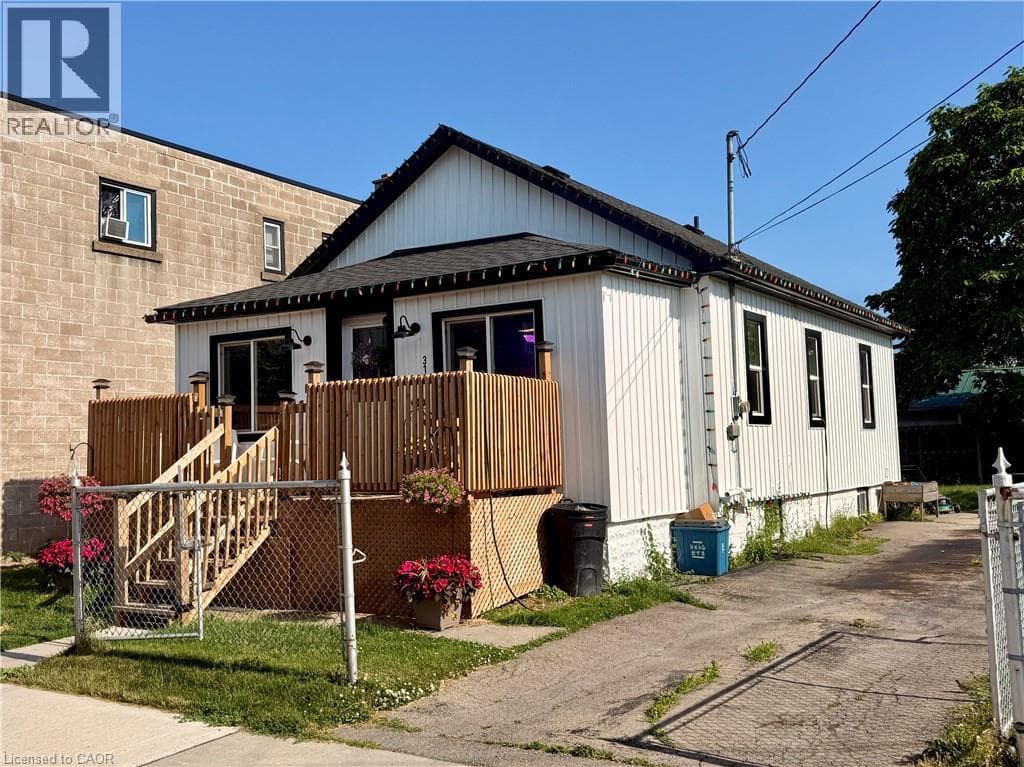 7
7314 BROADWAY
Welland
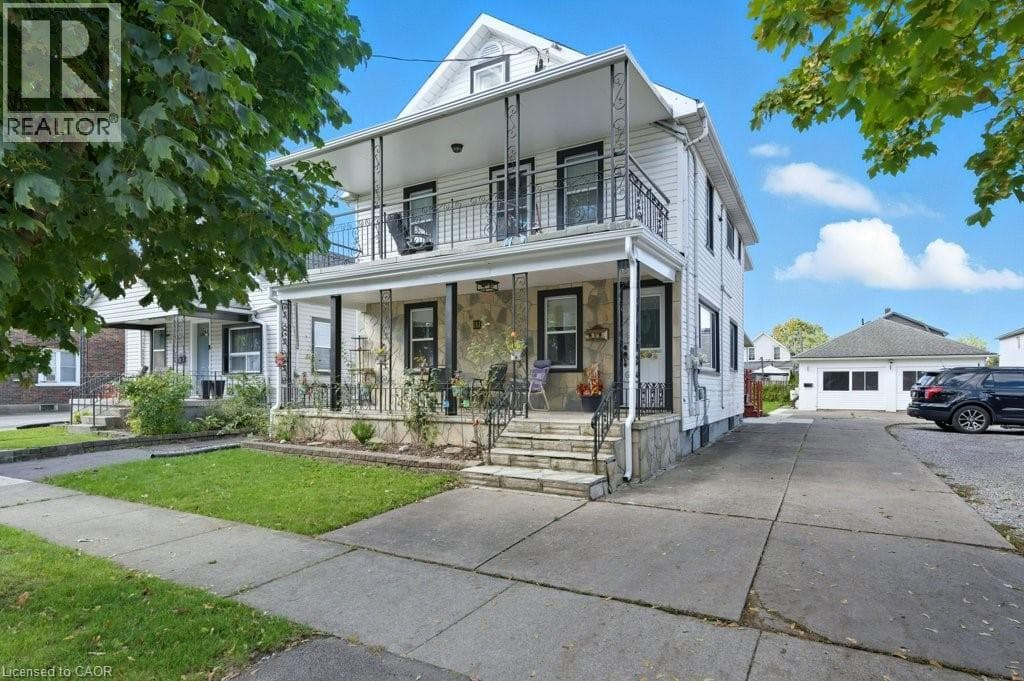 50
50111 MCALPINE Avenue
Welland
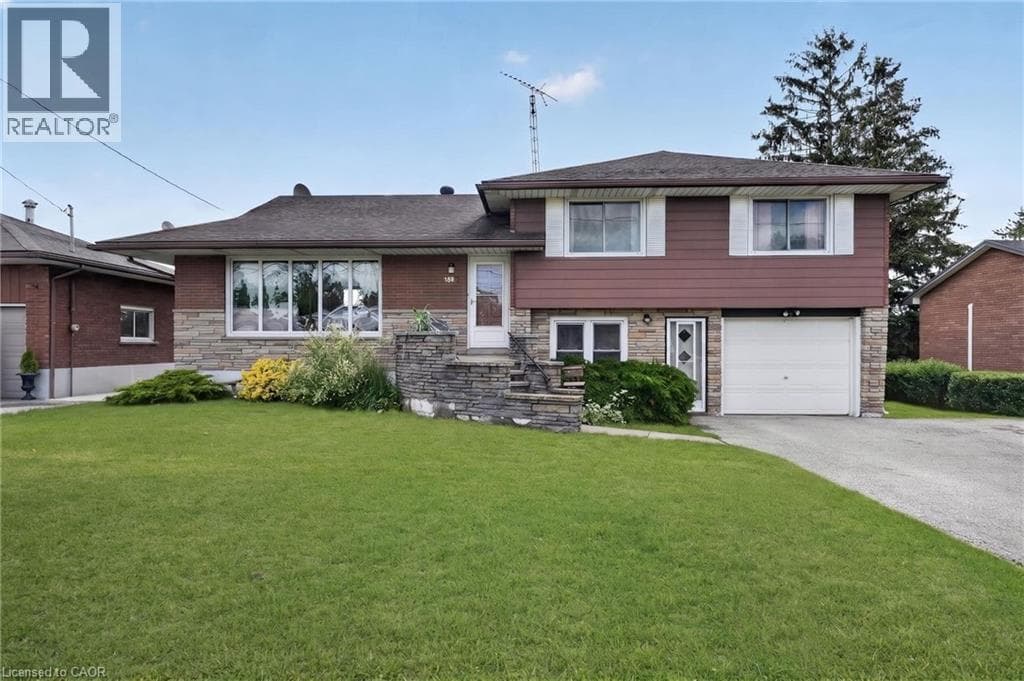 49
49300 KNOLL Street
Port Colborne
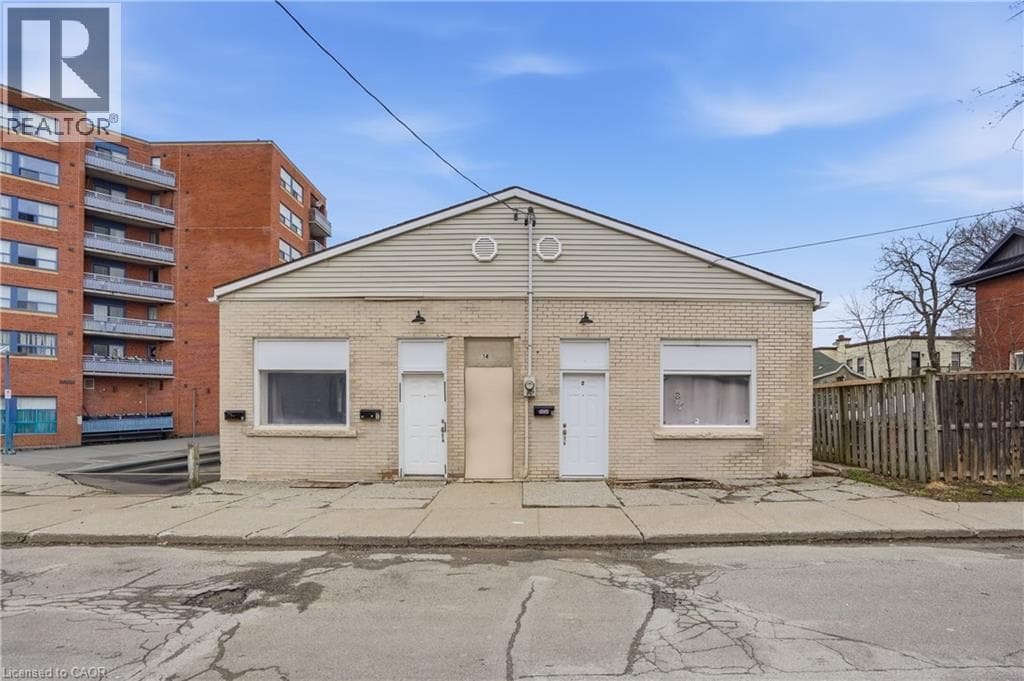 20
2014 AVENUE Place
Welland
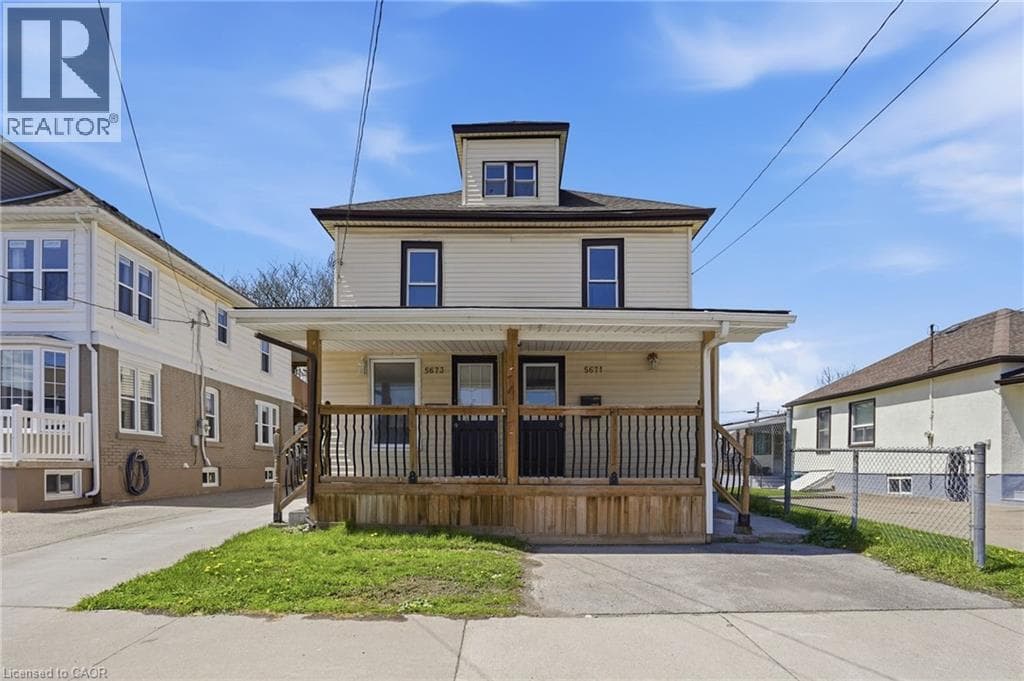 50
505671 DESSON Avenue
Niagara Falls
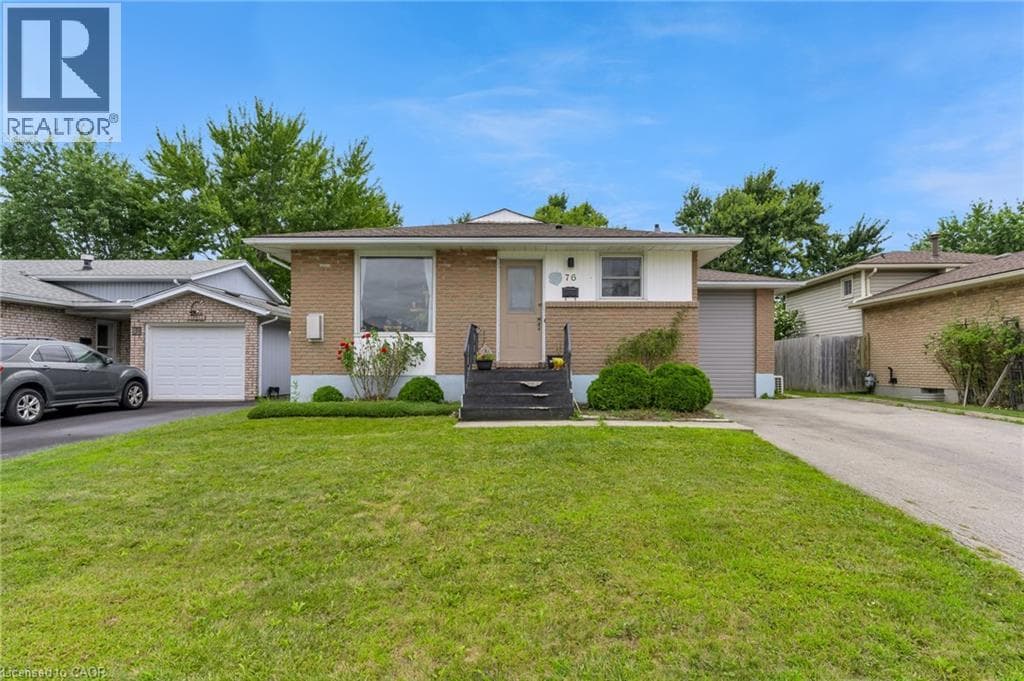 34
3476 MARC Boulevard
Welland
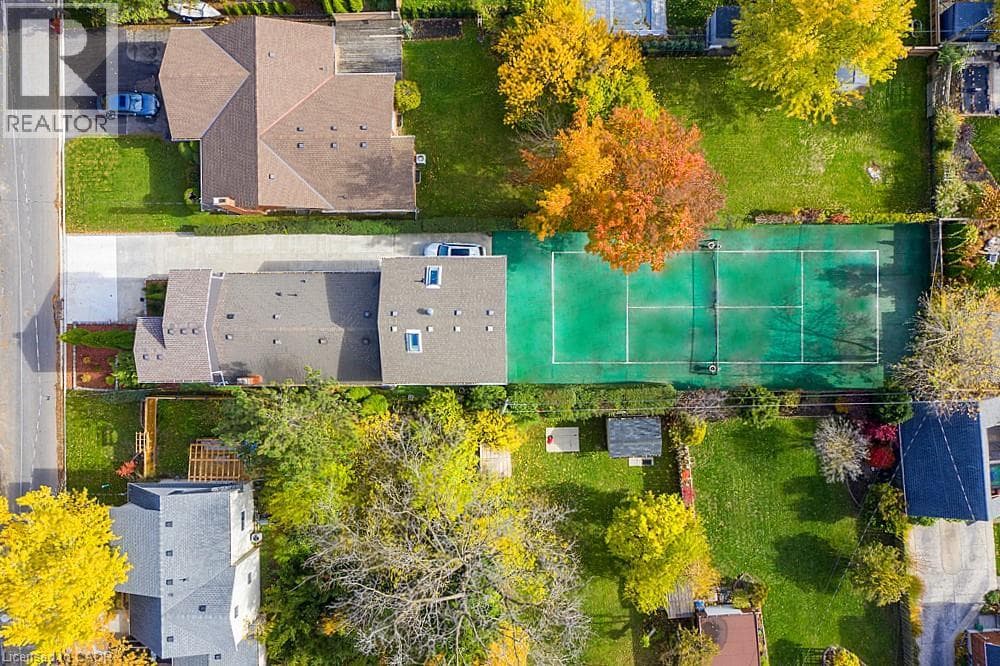 50
5016 FOREST HILL Road
St. Catharines
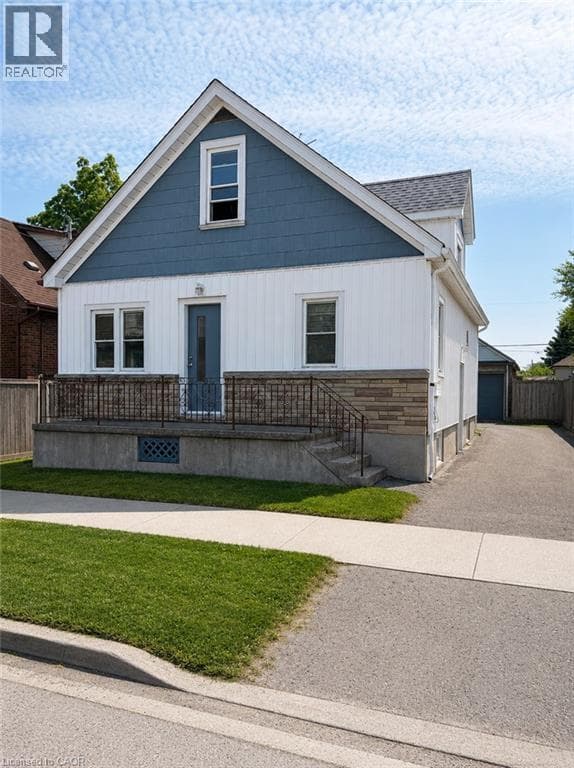 37
3736 BRIGHTON Avenue
St. Catharines
Rental yields in Niagara vary by property type and location but generally range from 4% to 7% gross. Student rentals near Brock University and Niagara College tend to offer higher per-room yields, while single-family rentals in established neighbourhoods provide more stable, lower-maintenance income. Multi-unit conversions (duplexes, triplexes) can also achieve strong returns.
Yes. Niagara offers several advantages for real estate investors: affordable purchase prices compared to the GTA, strong rental demand from students, tourism workers, and GTA commuters, growing population, major infrastructure investments (GO Train, new hospital), and a diversifying economy. The combination of lower entry costs and solid rental demand creates attractive investment opportunities.
Ontario landlords must comply with the Residential Tenancies Act (RTA), which governs rent increases (limited by annual guideline for buildings occupied before November 2018), eviction processes, maintenance obligations, and tenant rights. Landlords cannot discriminate against tenants and must follow specific procedures for rent increases, entry to units, and dispute resolution through the Landlord and Tenant Board (LTB).
Short-term rental regulations vary by municipality in Niagara. Niagara-on-the-Lake has specific licensing and zoning requirements for short-term rentals. Niagara Falls also regulates vacation rentals. Other municipalities are developing their own frameworks. Always check local bylaws before purchasing a property for short-term rental purposes, and factor in any licensing costs and restrictions.