Expert advice, market reports, and tips from the Niagara Region real estate professionals.
On a couple of different occasions over the past few weeks I have come across articles written by different financial advisors and investment specialists advising people to NOT own their own homes, but rather to rent.

When parents give money to children for a home purchase, there may be several questions that involve family law advice, real estate advice, or even estate planning. In this short article I will look at this question from different legal perspectives. Since this is information for general purposes, it is not legal advice. You are encouraged to seek advice from a legal professional to best understand your unique circumstances before providing any funds.

In the last issue of our newsletter, we saw that the month of June marked the second month in a row that the average sale price across the Region increased, ending the second quarter at $675,326. And when you consider January had come in at $598,869, that’s a six-month increase of $76,457.

In Canada, a credit score is a 3-digit number that you build (up or down) based on your use of credit products, such as loans, credit cards and bills. It is constantly changing, so monitoring and improving it is a life-long process.

“The rains descended and the floods came.” That statement applied to Noah, the Ark and the great flood, but it’s also a pretty accurate description of the weather we have been experiencing here in St. Catharines/Niagara the past few days.
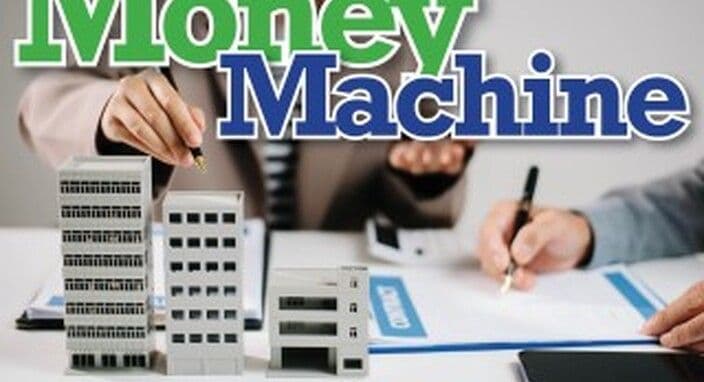
I’m a big fan of diversifying an investment portfolio. Mix it up. Single family, duplex, triplex, semi-detached, condo and the odd small commercial property. There are a lot of reasons for this. Condos for example are among the easiest to manage. You don’t have to worry about lawn care, snow removal, exterior maintenance. But they are among the toughest to cash flow. You pay for those services through the CAM fees which takes a big bite out of your rent. Having one or two in your portfolio can be carried by the surplus rent generated by your multi-families but it’s hard to make your profit/loss statement work if you have too many
It is common for consumers who face financial difficulty to ask questions about bankruptcy and mortgage default. Bankruptcy is a formal process under federal law addressing a person’s overall finances and providing relief from unsecured debts. For a homeowner who has a mortgage, an event of non-payment carries the risk that a lender forces the collection of all outstanding debt owing. This process is commonly known as power of sale proceedings, and this article hopes to shed light on the risk of default proceedings. It is important to preface this article by stating that if you feel you are at risk of defaulting on a mortgage payment, you should speak to a lawyer or mortgage professional at your earliest opportunity. This is because every situation is unique. This article therefore can only provide general notes, rather than legal advice.
Having some extra cash on hand might give you some breathing room on rising gas and food prices, building an emergency fund, or even the ability to make a big purchase you’ve delayed. But – should you pay down your mortgage instead? If you’re considering paying down your mortgage, you’re in luck, because today we’re going to look at how a lump sum payment can transform your mortgage future.
Well, it’s been somewhere in the neighbourhood of 13 years since I first rolled out the weekly video series ‘Tips and Techniques’. The videos covered a vast array of topics, legal issues, regulatory issues, new real estate forms, specialty clauses, best practices, potential problems to avoid, agency issues. The list goes on and on. With over 46 years as a licenced realtor and over 42 as the Broker of Record/Owner of a large real estate company there have been a lot of situations crossing my desk over the years.